
Travertino Classico: Characteristics, Uses and Architecture-i-i
Travertino Classico can be used in a wide range of architectural applications within Roman Travertine, from structural elements to decorative surfaces.
It is commonly applied in flooring, wall cladding, coping stones, thresholds, stairs and custom architectural details, allowing designers to create spaces that combine durability with natural material expression.
These categories represent the main ways in which Travertino Classico is used in architecture, both in interior and exterior environments.
The following categories illustrate the main architectural uses of Travertino Classico.

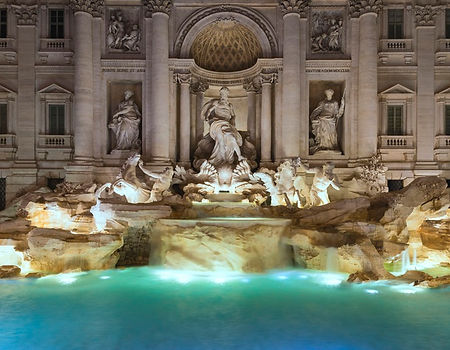
History of Travertino Classico
This natural stone, characterized by tones ranging from ivory white to light walnut, has been used in some of the most iconic monuments of Roman civilization, including the Colosseum, St. Peter’s Basilica and many historic fountains and public spaces.
Its distinctive appearance, defined by natural pores and layered textures, contributes to the unique visual identity of these structures, enhancing their interaction with light and architectural form.
The use of Travertino Classico in these monuments is not only an aesthetic choice but also a technical one, as the material offers durability and structural stability over long periods of time, even in challenging environmental conditions.
Its continued use across different historical periods is due to its versatility, durability and natural aesthetic qualities. The porous structure and natural veining give each block a unique appearance, making it suitable for both structural and decorative applications.
Throughout the centuries, Travertino Classico has maintained a central role in architecture, adapting to different styles while preserving its identity. Today, it continues to be used in contemporary projects, confirming the importance of Roman Travertine as one of the most enduring and recognizable materials in architectural history.

Applications of Travertino Classico in Architecture
Travertino Classico is widely used in architecture for a variety of applications, thanks to its durability and natural appearance.
It is commonly used for flooring and wall cladding, as well as for architectural elements such as coping stones, thresholds, window sills, stairs and decorative features.
Its versatility allows it to be adapted to different project requirements, from residential spaces to large-scale architectural works.
Because of its resistance to weather conditions, Travertino Classico is suitable for both interior and exterior use, maintaining its structural integrity and aesthetic qualities over time.
Architectural Elements and Applications of Travertino Classico
Travertino Classico is used in a wide range of architectural elements, from structural components to decorative features.
Its natural durability, workability and visual consistency make it suitable for both residential and large-scale projects, where natural materials are selected for their authenticity and long-term performance.
SLABS & TILES
Travertino Classico slabs and tiles are widely used for flooring and wall cladding in both interior and exterior spaces.
These elements allow architects and designers to create surfaces that combine natural texture with architectural continuity, enhancing the overall visual balance of the space.
COPING / THRESHOLDS / WINDOW SILLS
Travertino Classico is commonly used for coping stones, thresholds and window sills, where resistance to weather conditions and durability are essential.
These elements contribute to both the functional performance and the architectural definition of openings and structural transitions.
STAIRS
Stairs made from Travertino Classico represent a strong architectural feature, combining structural function with visual impact.
The material is used for steps, treads and risers in both interior and exterior environments, offering durability and consistency over time.
SKIRTING BOARDS
Travertino Classico skirting boards provide continuity between floors and walls, reinforcing the architectural coherence of the space.
They are used to complete flooring systems while maintaining a consistent material language throughout the project.
FURNITURE
Travertino Classico is also used for custom architectural elements and furnishings, including tables, surfaces and decorative components.
These applications highlight the material’s ability to combine structural function with aesthetic expression in both interior and exterior environments.
Examples of Travertino Classico elements used in architecture


Types of Roman Travertine
Roman Travertine is extracted in different varieties, each defined by specific tones, textures and structural characteristics developed during its geological formation.
Among the most recognized types is Travertino Classico, known for its warm and balanced appearance and its long-standing use in architecture. Alongside it, Travertino Silver offers cooler tones and a more contemporary character, while Travertino Noce is distinguished by deeper and darker shades that create a stronger visual impact.
Travertino Navona represents a lighter and more refined variation, often selected for projects where elegance and subtle surface variations are required.
Each of these types belongs to the broader family of Roman Travertine and can be used in a wide range of architectural applications depending on the design intent and material selection.


Architectural Applications of Travertino Classico
Travertino Classico can be used in a wide range of architectural applications within Roman Travertine, from structural elements to decorative surfaces.
It is commonly applied in flooring, wall cladding, coping stones, thresholds, stairs and custom architectural details, allowing designers to create spaces that combine durability with natural material expression.
These categories represent the main ways in which Travertino Classico is used in architecture, both in interior and exterior environments.
The following categories illustrate the main architectural uses of Travertino Classico.

Flooring

Wall Cladding

Bathroom and Kitchen Cladding

Coping Stones

Stairs

Pavimenti alla Palladiana in Travertino

Thresholds

Window Sills

Skirting Boards

Stone Furnishings

Floor Polishing

Marble and Travertine Engraving
Travertino Classico in International Architecture and Applications
Travertino Classico is used in architectural projects across a wide range of environments, where natural stone is selected for its durability, visual balance and long-term performance.
Its adaptability allows it to be applied in residential, commercial and public spaces, where material authenticity plays a key role in defining architectural identity. From private villas and contemporary homes to large-scale urban developments and public buildings, Travertino Classico continues to be used as a reference material in both traditional and modern architecture.
In outdoor applications, it is commonly used for paving, terraces, courtyards, garden paths and pool surrounds. Its resistance to heat, sunlight and environmental exposure makes it particularly suitable for exterior environments, where surfaces must maintain both structural integrity and aesthetic consistency over time.
In façades and wall cladding, Travertino Classico is used to create architectural envelopes that combine natural texture with geometric clarity. Its layered structure and subtle tonal variations allow buildings to interact with light and shadow, enhancing the perception of depth and materiality.
Within interior spaces, Travertino Classico is widely applied in flooring, bathrooms, kitchens and custom architectural elements. Its warm tones contribute to creating environments that feel both natural and refined, while its structural properties ensure durability in high-traffic areas.
The material is also used for architectural details such as thresholds, window sills, coping stones, stairs and custom stone elements. These applications allow designers to maintain consistency across different parts of a project, using the same material language for both structural and decorative components.
In restoration and conservation projects, Travertino Classico plays an important role due to its historical compatibility with traditional architecture. It is often selected in contexts where new interventions must integrate with existing structures, preserving both visual coherence and material continuity.
Because each block of Travertino Classico is naturally unique, surfaces created with this material display subtle variations in tone, texture and pattern. These characteristics are not imperfections but essential qualities that contribute to the richness and authenticity of architectural spaces.
Across different climates and architectural traditions, Travertino Classico continues to be chosen for projects where durability, aesthetic balance and connection to natural materials are required. Its long-standing use in architecture demonstrates its ability to remain relevant over time, adapting to changing design approaches while preserving its identity.
Today, Travertino Classico is considered one of the most versatile natural stones in architecture, capable of connecting historical tradition with contemporary design. Its presence in both heritage structures and modern buildings confirms its role within Roman Travertine architecture as a material that transcends time, geography and architectural style.